
How Do You Choose the Right Pigment Colour for My Cosmetic Tattoo? – A Complete Guide
Cosmetic tattooing, also known as permanent makeup (PMU), is a transformative beauty service that enhances features like eyebrows, lips, and eyes with long-lasting pigment. Whether you’re looking for perfectly shaped brows, defined eyeliner, or rosy, youthful lips, the success of your cosmetic tattoo largely depends on one vital factor: pigment colour selection.
A common question clients ask is: How do you choose the right pigment colour for my cosmetic tattoo? The answer involves much more than just picking your favourite shade. Professional PMU artists use a combination of science, colour theory, skin analysis, and artistic intuition to ensure the pigment matches your natural features and delivers beautiful, long-lasting results.
In this comprehensive guide, we’ll walk you through the process of pigment selection, explain the factors that influence colour choice, and show why working with a skilled technician is crucial for achieving natural-looking cosmetic tattoos.
What Is Cosmetic Tattoo Pigment?
Cosmetic tattoo pigment is a specially formulated colour compound used in semi-permanent makeup procedures. Unlike traditional tattoo inks, PMU pigments are:
-
Designed to fade gracefully over time.
-
Less saturated and more natural-looking.
-
Formulated to be biocompatible with facial skin.
-
Available in a wide range of warm, cool, and neutral tones.
Why Choosing the Right Pigment Colour Is So Important
Choosing the right pigment colour ensures:
-
A natural and flattering appearance.
-
The pigment heals true to tone, not too dark, red, grey or blue.
-
Long-lasting satisfaction with your treatment.
-
Better colour retention and fewer touch-ups.
An incorrect pigment choice can result in undesirable undertones, premature fading, or a colour that looks unnatural against your skin tone and features.
Factors That Influence Pigment Colour Selection
1. Skin Tone (Fitzpatrick Scale)
The Fitzpatrick scale classifies skin tones into six types based on melanin content and response to sun exposure:
-
Type I: Very fair, burns easily (e.g., redheads)
-
Type II: Fair, burns sometimes, tans minimally
-
Type III: Medium/light olive, sometimes burns, tans gradually
-
Type IV: Olive/tan, tans easily, minimal burn
-
Type V: Brown/dark brown skin
-
Type VI: Deep brown or black skin
Pigment selection must complement your natural tone. For example:
-
Fair skin may need light taupe or soft ash tones for brows.
-
Olive or tanned skin suits warmer browns or neutral pigments.
-
Darker skin may require rich, cool browns with high melanin compatibility.
2. Skin Undertone
Undertones fall into three categories:
-
Cool (pink, red, or bluish)
-
Warm (yellow, peachy, or golden)
-
Neutral (a mix of warm and cool)
Undertones affect how pigment appears once healed. For example:
-
Cool-toned skin may pull ash or grey from pigments, so warmer shades are selected.
-
Warm-toned skin may cause pigments to look orange, so cooler tones are chosen.
-
Neutral skin can balance most tones and is more flexible in pigment selection.
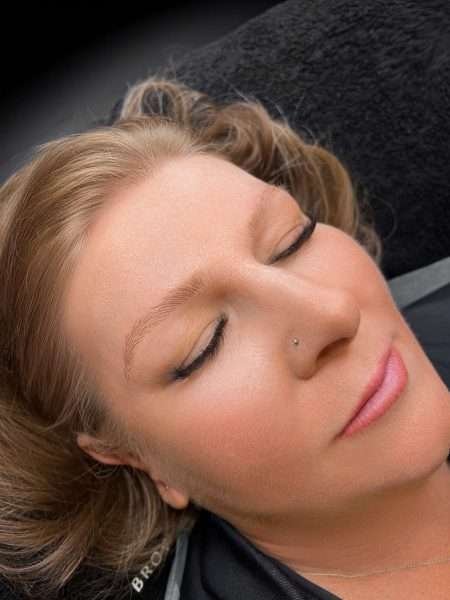 3. Natural Hair Colour (for brows)
Your natural hair colour plays a vital role in pigment choice:
-
Blondes: Soft taupe, light brown, or ash-blonde tones.
-
Redheads: Warm browns, golden blondes, or soft gingers.
-
Brunettes: Medium to dark browns, neutral or cool-based.
-
Black hair: Dark browns or charcoal—not pure black, which can look harsh or turn blue.
4. Existing Brow Hair or Pigment (for correction)
If you have:
-
Sparse natural brows, the pigment will be more visible on the skin.
-
Fuller brows, the pigment should blend harmoniously with natural hairs.
-
Previous PMU or tattoos, correctional pigments may be required to neutralise old tones before applying the new shade.
5. Desired Outcome (Natural vs. Defined)
Your personal style and desired intensity will also guide pigment selection:
-
Natural look: Choose pigments 1–2 shades lighter than your hair colour.
-
More defined or makeup-ready: Slightly deeper tones may be selected.
-
Soft look: More diluted pigment application.
-
Bold look: Multiple passes or layering with richer pigments.
A good technician will guide you toward the most flattering option that suits your goals while still looking natural.
Pigment Selection for Different Cosmetic Tattoo Areas
Eyebrows (Feather Touch, Ombre, Nano)
-
Pigments range from blonde to dark brown, with warm, cool, and neutral undertones.
-
Technicians consider hair colour, skin tone, and existing brows.
-
Pure black pigments are never used on brows as they can heal too dark or blue.
Popular brow pigment tones:
-
Soft Taupe (cool fair skin)
-
Golden Blonde (warm undertone blondes)
-
Medium Neutral Brown (universal)
-
Dark Ash Brown (olive or tan skin)
-
Espresso (deep skin tones)
Lips (Lip Blush, Full Lip Tint)
-
Lip pigments are chosen to enhance or restore natural lip colour.
-
Shades range from nude peach and soft pink to berry and rose tones.
-
Cool lips may require warm pigments to correct blue or purple hues.
-
Pigments lighten slightly during healing, so a colour that appears darker initially is expected.
Lip pigment categories:
-
Nude tones: Soft peach, pink-beige
-
Warm tones: Coral, warm rose
-
Cool tones: Dusty mauve, pink berry
-
Neutral tones: Balanced peach-pink
Eyeliner
-
Eyeliner pigments are usually carbon-based black or brown.
-
Black pigment is formulated for safe eye use and is not the same as body tattoo ink.
-
Clients can choose between subtle lash enhancements or bolder eyeliner effects.
Custom Blending Techniques
Professional PMU artists often custom blend pigments to suit each client’s unique skin tone and goals. They may mix:
-
Warm and cool pigments to create a balanced result.
-
Different browns to soften or deepen tones.
-
Modifiers to neutralise unwanted undertones (e.g., green, blue, or red).
This customisation ensures that once healed, the pigment remains true to the desired colour.
How Colour Changes After Healing
Pigment colour may appear darker immediately after treatment, then lighten during healing. You may notice:
-
Mild scabbing or flaking in the first 7–10 days.
-
A “ghosting phase” where the colour appears faded.
-
Full colour returning and stabilising over 4–6 weeks.
A touch-up session is scheduled 6–8 weeks after the initial procedure to refine colour and shape, and ensure even saturation.
Pigment Fade Over Time: What to Expect
Cosmetic tattoo pigments are semi-permanent and fade gradually over 1–5 years, depending on:
-
Skin type
-
UV exposure
-
Skincare routines (especially those with acids or retinol)
-
Lifestyle and health
Regular touch-ups every 12–24 months help maintain colour vibrancy and definition.
Work with a Qualified PMU Artist
At Belle Cherie | Brows, Skin & Beauty Academy in Scarborough, WA, pigment selection is a highly personalised process. Our expert cosmetic tattoo artists take time to:
-
Assess your skin tone, undertone, and facial features
-
Understand your preferences and lifestyle
-
Create a custom colour blend that suits you perfectly
-
Apply pigments safely using advanced techniques
Our consultations include patch testing and colour previews to ensure your confidence in the outcome.
Final Thoughts: Choosing the Right Pigment for Your Cosmetic Tattoo
Choosing the right pigment colour for your cosmetic tattoo is an essential step in achieving natural, flattering, and long-lasting results. It’s not just about selecting a colour—it’s about understanding your skin, goals, and personal style. With expert guidance from a professional PMU artist, you’ll walk away with beautifully enhanced features that feel like you—but better.
📅 Ready to Book Your Cosmetic Tattoo Consultation?
Let our experts at Belle Cherie guide you through your perfect pigment match and create a look that enhances your natural beauty.
📍 Belle Cherie | 9/23–27 Scarborough Beach Rd, Scarborough WA
📲 Call: 0484 255 338
#CosmeticTattooPerth #PMUPigmentSelection #ChoosingPMUColour #FeatherTouchBrowsPerth #LipBlushPerth #BelleCherieBeauty #PermanentMakeupPerth #BrowTattooColours #CustomPMUPigments #ScarboroughBeautyAcademy #SkinToneAndPMU